Coconut Tree: A Sweet Handwritten Font for Your Brand
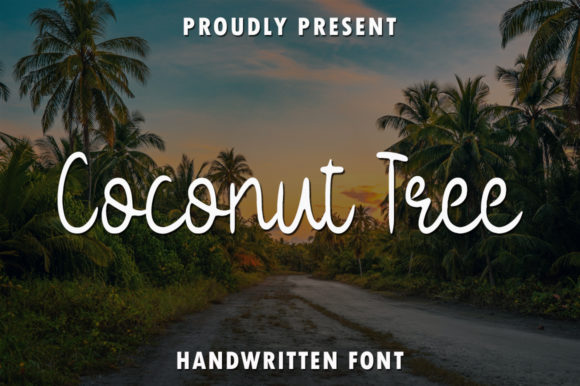
Building a brand that feels authentic and trustworthy is one of the most challenging parts of running a small business. As an entrepreneur, I have learned that every detail matters, from the quality of my packaging to the tone of my social media captions. One element that often gets overlooked until it is too late is typography. The right typeface can transform a generic logo into a memorable brand identity, while the wrong choice can make your business look inconsistent or unprofessional. This is where Coconut Tree comes in. It is not just another decorative script; it is a sweet and delicate handwritten font designed to bring a dainty and joyful personality to your business materials.
The Personality of Coconut Tree
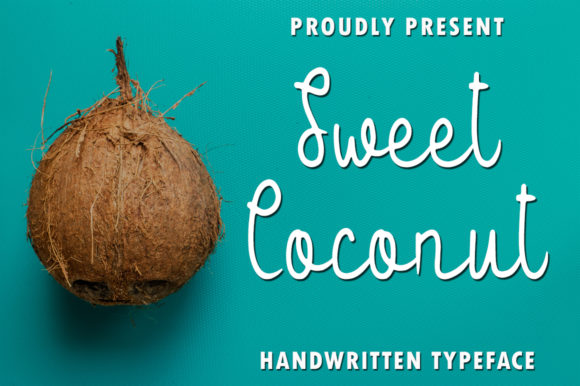
When you first see Coconut Tree, the immediate feeling is warmth. Unlike rigid, geometric sans serif fonts that can feel cold or corporate, this script font mimics the natural flow of human handwriting. Its strokes are fluid, its curves are gentle, and its overall mood is romantic and personalized. For small businesses operating in niches like handmade goods, wedding planning, boutique fashion, or artisanal food, this visual appeal is crucial. Customers today crave connection. They want to support brands that feel human, crafted with care, and aligned with their own values. Using a premium font like Coconut Tree signals that you pay attention to the details and that your products are made with love.
The style of this font fits perfectly within the category of modern typography that balances elegance with approachability. It avoids the overly ornate flourishes of traditional calligraphy that can sometimes be hard to read, opting instead for a clean, legible script that still retains a hand-drawn charm. Whether you are designing a logo for a new candle company or creating a menu for a cozy café, the dainty nature of this typeface ensures your brand stands out without shouting for attention.
Real-World Applications for Small Businesses
The true value of a creative font lies in how well it performs across various touchpoints. As a business owner, you need design assets that work everywhere, from digital screens to physical products. Here is how Coconut Tree can elevate specific areas of your brand:
- Logos and Brand Identity: A logo is the face of your business. If you run a bridal boutique, a flower shop, or a wellness coaching service, a handwritten font immediately communicates softness and care. Coconut Tree works beautifully as a display font for logos, making them instantly recognizable and inviting.
- Packaging and Product Labels: For online sellers and artisans, packaging is part of the product experience. Imagine a jar of homemade jam or a box of luxury soaps. Applying Coconut Tree to the label adds a layer of craftsmanship. It suggests that the item inside was made by a person, not a factory line. However, readability is key here. While this script is lovely, ensure the text size is large enough on small labels to remain legible.
- Social Media Graphics: In the crowded feeds of Instagram and Pinterest, visuals must stop the scroll. Using Coconut Tree for headlines on your posts, stories, or promotional banners creates a cohesive aesthetic. It pairs exceptionally well with lifestyle photography, reinforcing the romantic and joyful vibe of your content.
- Wedding Invitations and Stationery: This is perhaps the most natural home for this font. For event planners or stationery designers, Coconut Tree offers a perfect solution for writing names, dates, and short messages on invitations, thank-you cards, and save-the-date announcements.
- Website Banners and Headers: On your website, you want to welcome visitors with a friendly voice. Use this font for hero section headers or blog titles to break up the monotony of standard web fonts. Just remember to keep body text in a highly readable sans serif or serif font to maintain user experience standards.
Ensuring Consistency and Professionalism
One of the biggest mistakes entrepreneurs make is using different fonts randomly across their platforms. If your Instagram bio uses a bold block letter, but your email signature uses a curly script, your brand looks fragmented. Consistency builds trust. By adopting Coconut Tree as a core part of your visual language, you create a unified look that customers will recognize instantly. When a customer sees that familiar dainty script on a flyer, a product sticker, and a Facebook ad, they subconsciously associate those elements with your brand name. This repetition strengthens your brand identity and makes you appear more established and professional.
However, consistency does not mean using the same font for everything. To maintain a professional appearance, you must know when to use Coconut Tree and when to switch gears. This font shines as a headline, logo, or accent typeface. It should generally be reserved for short phrases, names, or key messages. Long paragraphs written entirely in a script font can strain the eyes and reduce readability, especially on mobile screens. For longer text blocks, such as product descriptions or policy pages, pair your script with a clean, neutral font.
Smart Font Pairing Strategies
Mastering font pairing is essential for creating balanced and attractive designs. Since Coconut Tree is an expressive script font, it needs a partner that provides structure and contrast. A classic and effective strategy is to pair it with a simple sans serif font. The clean lines of a sans serif typeface allow the delicate curves of the script to take center stage without competing for attention. Alternatively, if you want a slightly more traditional or editorial look, try pairing it with a modern serif font. This combination often works wonders for beauty brands, bookstores, or high-end boutiques.
For example, imagine a bakery brand. You might use Coconut Tree for the word "Bakery" in your logo and for the names of your cakes on the menu. Then, you would use a sturdy sans serif font for the ingredients list, pricing, and hours of operation. This hierarchy guides the customer's eye naturally, ensuring they enjoy the aesthetic while still getting the necessary information clearly.
Testing and Licensing Considerations
Before you commit Coconut Tree to your entire brand, always test it in real-world scenarios. Print out a mock-up of your business card or product label to see how the ink looks on paper. Check how the font renders on a smartphone screen versus a desktop monitor. Sometimes, a font that looks great on a large monitor can become blurry or illegible when shrunk down for a social media thumbnail or a tiny ingredient label. Adjusting the spacing (kerning) and weight may be necessary to ensure clarity in these smaller formats.
Finally, as a business owner, you must be mindful of commercial licensing. Fonts are intellectual property, and using a free version for personal projects does not automatically grant you the right to use it for commercial purposes. If you plan to use Coconut Tree on products you sell, in client work, on merchandise, or in digital downloads, you need to purchase the appropriate commercial license. Always verify the terms of use provided by the creator of the font. Using a properly licensed premium font protects your business from legal issues and supports the independent designers who create these valuable tools.
By thoughtfully integrating Coconut Tree into your design workflow, you can add a touch of sweetness and professionalism to your business. It is a versatile tool that helps you tell your story with clarity and charm, ensuring that every interaction with your brand leaves a lasting, positive impression.